
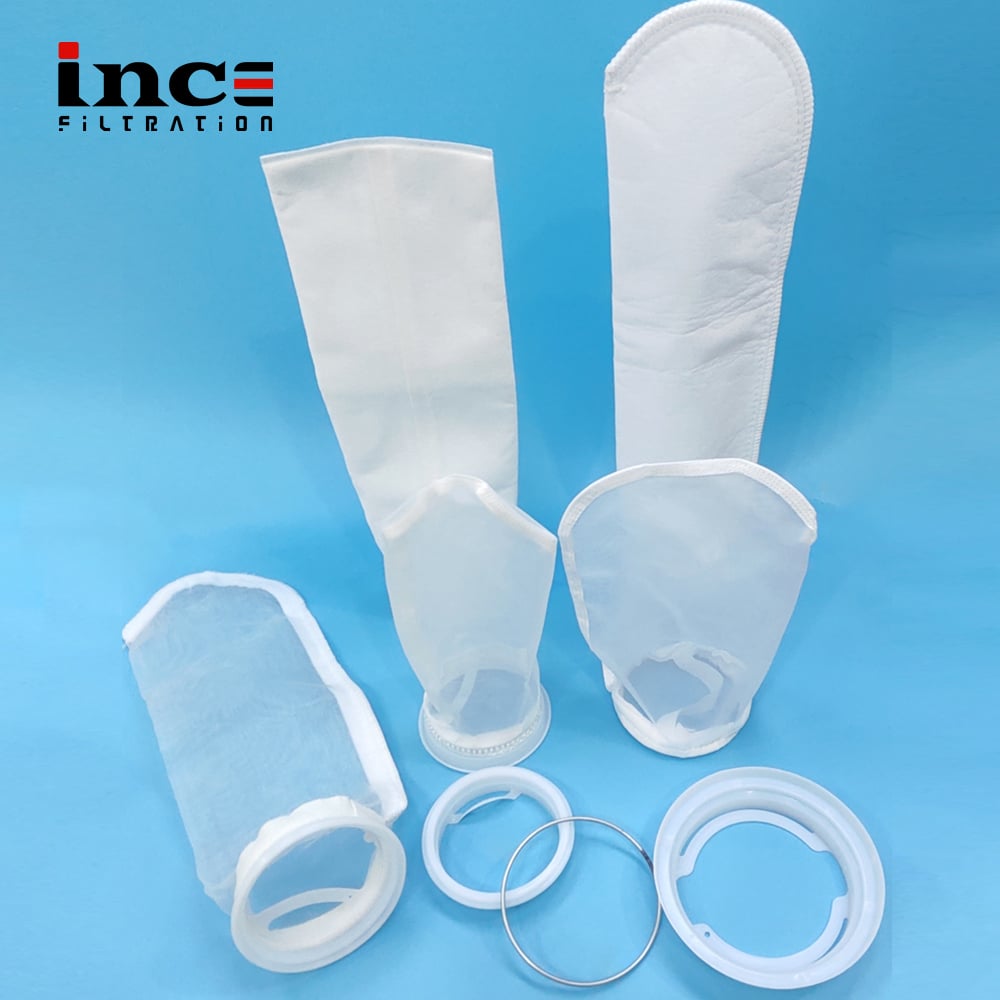
PP Filter Bags with Plastic Ring, 5um Rating for Fine Filtration
The Essential Guide to Liquid Filtration Bags: Maximizing Purity and Efficiency
In the intricate world of industrial and commercial liquid processing, achieving optimal purity isn’t just a goal—it’s a critical requirement. From paints and coatings to food and beverages, chemicals, and pharmaceuticals, the clarity and cleanliness of a liquid can define product quality, process efficiency, and equipment longevity. At the heart of many filtration systems lies a workhorse component: the liquid filtration bag.
What Are Liquid Filtration Bags?
Liquid filter bags are seamless, bag-shaped filters constructed from various media, designed to be placed inside a compatible housing or basket. As contaminated liquid flows from the inside to the outside of the bag, particulate matter is trapped within the bag’s material or on its surface. The cleaned liquid then exits the housing, ready for the next stage of processing or final use.
Their simple, robust design makes them a preferred choice for a wide range of applications, offering high dirt-holding capacity and reliable performance.
Key Advantages of Using Filter Bags
Why have filter bags become such a ubiquitous solution? Their benefits are clear:
-
High Dirt Holding Capacity: Their pleated or depth-style construction allows them to capture and retain a significant volume of solids before requiring a change.
-
Cost-Effectiveness: They are generally more economical than many cartridge filters, especially for applications with high particulate loads.
-
Ease of Use: Installation and replacement are quick and simple, minimizing downtime and labor costs.
-
Wide Compatibility: Available in myriad materials and micron ratings, they can handle everything from water-like fluids to viscous polymers and aggressive chemicals.
-
Disposal Efficiency: Spent bags are easy to remove and dispose of, reducing cleanup time and potential exposure to contaminants.
Choosing the Right Filter Bag: Material & Micron Rating
Selecting the correct bag is paramount. The two most critical factors are the micron rating and the bag material.
Understanding Micron Ratings
The micron rating indicates the size of particles the bag is designed to capture. Ratings typically range from 1 micron (absolute) to 800 microns (nominal). It’s crucial to select a rating that balances the required filtrate clarity with acceptable flow rates and bag life. A finer micron rating captures smaller particles but may clog faster.
Common Filter Media Materials
-
Polypropylene (PP): The most common and economical choice. Excellent for general-purpose use, acids, and alkalis. Good chemical compatibility.
-
Nylon (PA): Offers excellent resistance to abrasion and is ideal for filtering coatings, paints, and inks. Good for alkaline liquids.
-
Polyester (PE): Known for high tensile strength and temperature resistance. Often used in hydraulic lines and pre-filters.
-
PTFE (Teflon): The premium choice for extreme chemical resistance and high-temperature applications. Often used as a membrane on a supporting substrate.
Applications Across Industries
The versatility of filter bags shines across sectors:
-
Chemical Processing: Filtering solvents, resins, acids, and catalysts.
-
Food & Beverage: Clarifying juices, syrups, edible oils, and brewery products.
-
Paints & Coatings: Ensuring speck-free finishes by filtering pigments and binders.
-
Pharmaceuticals: Purifying process water, solvents, and intermediates under strict hygiene standards.
-
Plastics: Filtering polymer melts, dyes, and additives in extrusion processes.
-
Water & Wastewater: Used as pre-filters or in final polishing stages.
Best Practices for Installation and Maintenance
To get the most from your filter bags, follow these guidelines:
-
Proper Sizing: Ensure the bag is correctly sized for its housing to prevent bypass or tearing.
-
Wet Installation: Always moisten the bag with a compatible clean liquid before installation to seat it properly and prevent initial airlock.
-
Monitor Differential Pressure (ΔP): The pressure drop across the bag is the best indicator of its condition. Change the bag when the ΔP reaches the manufacturer’s recommended limit.
-
Handle with Care: Avoid dragging bags on rough surfaces to prevent damage to the sensitive filter media.
-
Document Changes: Keep a log of bag changes and differential pressure readings to predict lifecycle and optimize change-out schedules.
Conclusion
Liquid filtration bags are a deceptively simple yet profoundly effective solution for achieving liquid purity. By understanding their construction, selecting the appropriate micron rating and material for your specific fluid and process, and adhering to best practices in maintenance, you can ensure smoother operations, higher quality end products, and significant cost savings. Whether you’re protecting sensitive equipment or guaranteeing a flawless finish, the right filter bag is an indispensable partner in your process.