
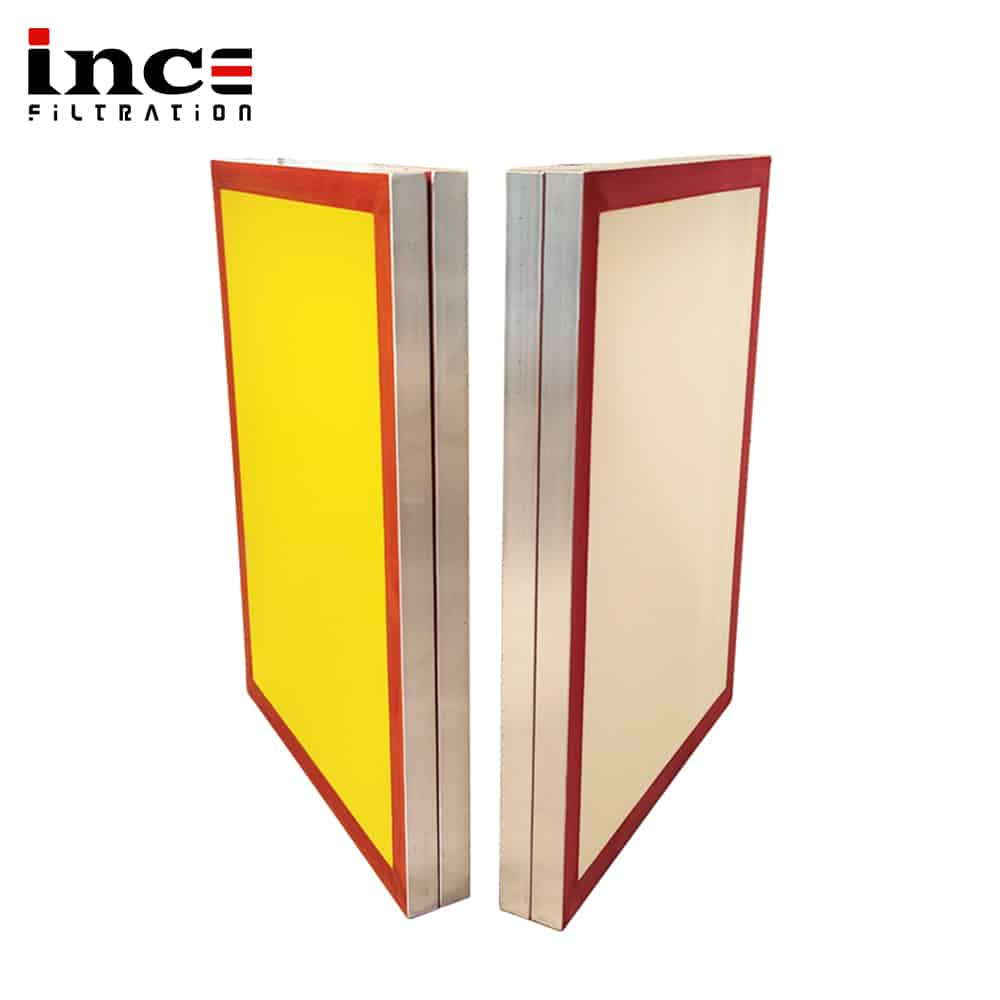
Industrial Grade Aluminum Frame for Dry Screening
The Unsung Hero of Purity: A Deep Dive into Liquid Filter Bags
In the intricate world of industrial processing, from vibrant paints and coatings to pristine beverages and critical chemicals, maintaining liquid purity is non-negotiable. Often operating behind the scenes, the liquid filter bag is a cornerstone of this purification process. This simple yet highly effective solution is the first line of defense against contaminants, ensuring product quality, protecting expensive equipment, and safeguarding processes.
What is a Liquid Filter Bag?
At its core, a liquid filter bag is a semi-disposable, porous bag made from various filter media, designed to remove suspended solids from liquids. Installed in a compatible housing or basket, contaminated liquid flows from the inside of the bag to the outside. The filter media traps particles on its inner surface or within its depth, allowing only the clean filtrate to pass through.
Key Components and Materials
The effectiveness of a filter bag hinges on its material. Common options include:
-
Polypropylene: A cost-effective, broad-spectrum workhorse for general use, offering good chemical compatibility.
-
Nylon: Excellent for filtration of oils and fuels, known for its toughness and resistance to abrasion.
-
Polyester: Provides strong performance in hot environments and is resistant to many solvents.
-
PTFE (Teflon): The premium choice for aggressive chemicals and high-temperature applications, offering exceptional release properties.
These media can be constructed in different styles:
-
Meltblown: Depth media that captures particles throughout its cross-section, ideal for higher dirt-holding capacity.
-
Woven Monofilament: Surface filtration media that provides precise particle retention and easy cake release.
-
Felted/Non-Woven: A combination of depth and surface filtration, offering high efficiency and good flow rates.
Why Choose Filter Bags? Key Advantages
The widespread use of liquid filter bags is driven by several compelling benefits:
-
High Dirt-Holding Capacity: Their pleated or lofted design provides a large surface area, allowing them to capture a significant amount of contaminant before needing replacement.
-
Cost-Effectiveness: Compared to many other filtration methods, filter bags offer a lower initial investment and are economical to operate and replace.
-
Ease of Use: Installation and change-out are remarkably simple, minimizing downtime and labor costs.
-
Versatility: Available in a vast range of micron ratings (from 1 to 800+ microns), materials, and sizes, they can be tailored for an immense variety of applications.
-
Consistent Performance: They provide reliable and predictable filtration, ensuring batch-to-batch consistency.
Critical Applications Across Industries
Liquid filter bags are indispensable in nearly every industrial sector:
-
Chemical Processing: Filtering catalysts, resins, acids, and solvents.
-
Food & Beverage: Clarifying sugars, syrups, edible oils, wines, and spirits.
-
Paints & Coatings: Ensuring flawless finishes by removing gels and agglomerates.
-
Pharmaceuticals: Achieving critical purity levels in process water and intermediate solutions.
-
Plastics: Cleaning dielectric fluids, process water, and polymer melts.
-
Metalworking: Removing contaminants from coolants, quench oils, and electroplating baths.
Selecting the Right Filter Bag: A Quick Guide
Choosing the correct bag is crucial. Follow this basic checklist:
-
Micron Rating: Determine the size of the smallest particle you need to remove.
-
Filter Media: Match the bag material to your liquid’s chemical composition, temperature, and viscosity.
-
Compatibility: Ensure the bag size and style (e.g., gasket type) fit your specific housing.
-
Application Goal: Are you aiming for product recovery, equipment protection, or final product clarity?
Conclusion
Far from being just a simple commodity, the liquid filter bag is a sophisticated, application-specific component that plays a vital role in quality control and operational efficiency. By understanding their construction, advantages, and selection criteria, engineers and plant managers can optimize their filtration processes, reduce costs, and achieve unparalleled levels of liquid purity. In the quest for a cleaner product, never underestimate the power of a well-chosen bag.