
HS Code for Filters: A Practical Guide to Classification in International Trade
In global trade, correct product classification is essential for smooth customs clearance and accurate duty calculation. Filtration products, widely used across industries such as water treatment, chemical processing, and manufacturing, fall under multiple HS codes depending on their design and application. Many importers and exporters face challenges in selecting the correct classification, especially when filters vary in material, function, and system integration. Understanding how HS codes apply to filtration products helps reduce compliance risks and ensures efficient cross-border transactions.
Understanding HS Code 8421 and Its Scope
HS Code 8421 is the primary classification category for filtration equipment. It covers machinery and apparatus used for filtering or purifying liquids or gases. This category includes a wide range of filtration systems, from industrial liquid filtration units to air and gas purification equipment. For Example:
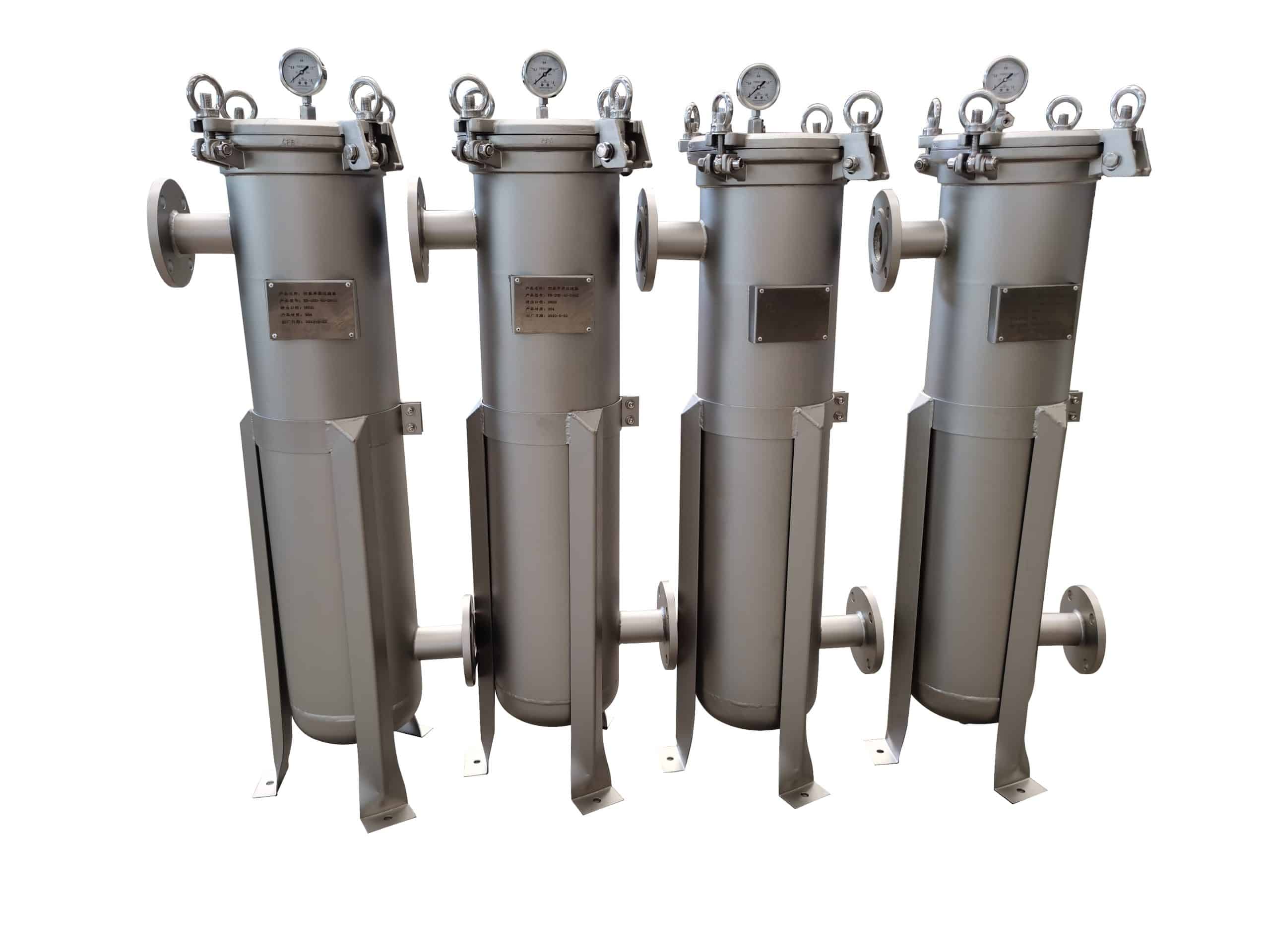
Within this category, further subheadings define specific applications. For example, 842121 is used for equipment designed for water filtration or purification, while 842123 applies to oil or fuel filters used in internal combustion engines. For general liquid filtration systems that do not fall into specialized categories, 842129 is commonly used.
Gas filtration products are classified differently within the same group. Code 842131 refers specifically to intake air filters for engines, while 842139 applies to other types of gas filtration equipment. These distinctions are important because they directly affect tariff rates and regulatory requirements in different countries.
In addition, 842199 is used for parts of filtering or purifying machinery. This is particularly relevant for components such as filter housings, cartridges, and replacement elements that are not classified as complete machines.
Key HS Codes for Different Types of Filters
Filtration products are not limited to a single HS category. Depending on their material and function, they may fall under different classifications.
Filter paper and related materials are typically classified under HS Code 482320. This category includes filter paper and paperboard used in both laboratory and industrial applications. These products are treated as material goods rather than filtration machinery.
Optical filters, which are used in imaging systems and scientific instruments, fall under HS Code 900220. These are not related to fluid or gas filtration but are instead designed to control light transmission.
Another relevant category is HS Code 848110, which includes filter-regulators and filter-regulator-lubricators. These are commonly used in pneumatic systems where filtration is combined with pressure regulation and lubrication functions.
Understanding these distinctions is essential because misclassification can lead to delays, additional duties, or compliance issues during customs inspections.
Factors That Determine the Correct HS Code
Selecting the correct HS code for filtration products depends on several key factors. One of the most important is the type of substance being filtered. For example, water filtration systems are classified differently from gas or air filtration equipment, even if their structures are similar.
Material composition also plays a significant role. A filter made of paper may fall under a different category than one made of metal or synthetic fibers. For instance, a replaceable filter element made from polypropylene or nylon may be classified as a part under 842199, while a paper-based filter may fall under 482320.
Another important consideration is whether the product is a complete system or a component. Fully assembled filtration machines are typically classified under HS Code 8421, while spare parts and consumables are often categorized separately.
The intended application also influences classification. Filters designed for automotive engines, industrial processing, or laboratory use may each fall under different subheadings, even if their filtration principles are similar.
Common Classification Challenges in Filtration Products
One of the most common challenges in filter classification is distinguishing between machinery and consumable parts. For example, a filter housing with integrated functionality may be classified as machinery, while a simple filter bag or cartridge is usually treated as a replaceable component.
Another challenge arises when products serve multiple functions. For instance, a filtration unit that also regulates pressure or includes lubrication features may fall under a different HS code than a standard filter. In such cases, classification is often based on the primary function of the product.
Differences in national tariff schedules can also create confusion. While the first six digits of an HS code are standardized internationally, additional digits may vary by country. This means that the same product could have slightly different classifications depending on the destination market.
Accurate product descriptions and technical documentation are essential to avoid these issues. Providing clear details about materials, function, and application helps customs authorities determine the correct classification more efficiently.
Operational and Trade Compliance Value
Correct HS code classification is not only a regulatory requirement but also a key factor in cost control and supply chain efficiency. Using the appropriate code ensures that the correct duty rates are applied, helping businesses avoid unexpected expenses.
Accurate classification also reduces the risk of customs delays. When documentation is clear and consistent, shipments are more likely to pass through customs without additional inspections or reclassification requests.
From a compliance perspective, proper HS code usage helps companies meet international trade regulations and maintain reliable business operations. This is particularly important for companies that export filtration products to multiple countries with varying regulatory requirements.
In addition, consistent classification practices support better internal management, including inventory tracking, reporting, and financial planning.
Practical Guidance for Selecting the Right HS Code
To determine the correct HS code for a filtration product, it is important to start with a clear understanding of the product’s function. Identifying whether the filter is used for liquids, gases, or specialized applications such as optical systems is the first step.
Next, consider the material and construction of the product. This helps distinguish between machinery, components, and consumable materials. Reviewing technical specifications and product descriptions can provide valuable insights for classification.
It is also advisable to consult the official customs tariff schedule of the destination country. While general HS codes provide a framework, local variations may apply. Working with customs brokers or trade specialists can further improve accuracy.
Maintaining detailed product documentation ensures that classification decisions are consistent and defensible. This is particularly important for companies handling a wide range of filtration products across different markets.
Closing Paragraph
Understanding HS code classification for filters is essential for efficient international trade and regulatory compliance. With categories such as 8421 for filtration machinery and additional codes for materials and specialized applications, selecting the correct classification requires careful evaluation of product characteristics. By considering factors such as function, material, and application, businesses can ensure accurate classification, reduce operational risks, and support smoother global trade processes.