
Advanced Filtration Hardware for Optimized Industrial Process Fluid Purity
The efficiency of modern industrial liquid processing is fundamentally linked to the reliability of its separation components. In sectors such as chemical manufacturing, power generation, and food processing, the requirement for consistent fluid purity has become a non-negotiable standard for operational success. Many facility managers encounter significant challenges when using traditional depth filtration, including rapid clogging, unpredictable flow rates, and the high labor costs associated with frequent component change-outs. These issues often arise from an inability to handle fluctuating particulate loads, leading to premature system downtime and potential risks to downstream equipment. As processing demands increase, the need for a more robust and high-capacity solution becomes evident to maintain high throughput and meet stringent quality benchmarks.
To resolve these operational bottlenecks, engineers are increasingly turning to media configurations that maximize surface area without requiring larger housing footprints. The implementation of a high-performance pleated filter cartridge provides a strategic solution by offering an expanded filtration surface that significantly outperforms standard cylindrical designs. This specialized geometry allows for lower flux rates and higher dirt-holding capacities, ensuring that the system can handle higher volumes of liquid while maintaining precise particulate retention. By focusing on the structural advantages and material science of these advanced components, industrial operations can achieve a more stable and cost-effective processing environment that supports long-term productivity and asset protection.
Structural Engineering for Maximum Surface Area
The technical design of the pleated filter cartridge is centered on the principle of geometric optimization to enhance filtration efficiency. By folding the filter media into a series of uniform pleats, manufacturers are able to pack several times more surface area into a single unit compared to traditional melt-blown or string-wound filters. This architectural choice is critical because it directly influences the velocity at which the fluid passes through the media. A larger surface area allows for a much lower “face velocity,” which reduces the mechanical stress on the fibers and ensures that particles are captured effectively within the media matrix rather than being forced through by hydraulic pressure.
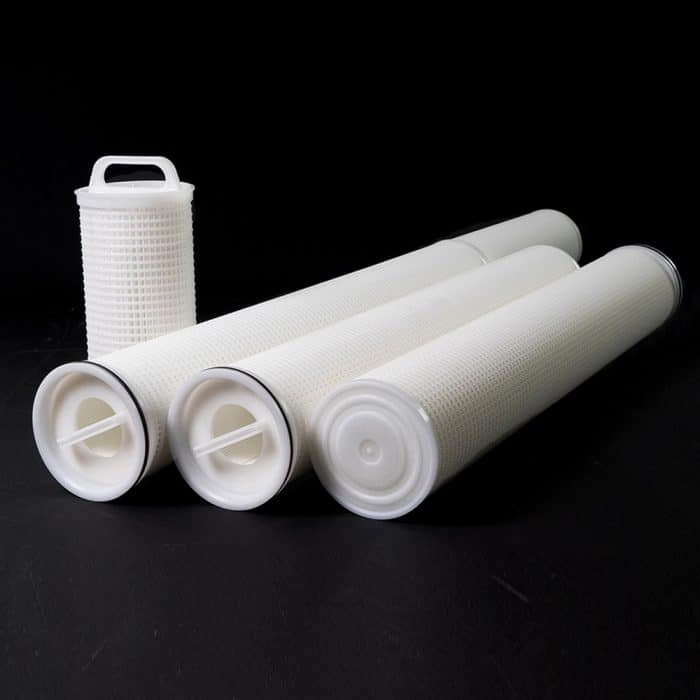
Each pleated filter cartridge is assembled using precision thermal bonding techniques that fuse the media, support layers, and end caps into a single, cohesive structure. This assembly method is vital for industrial applications because it eliminates the need for glues, resins, or binders that could potentially degrade or leach into the process fluid. The internal support core, typically made from high-strength polypropylene or reinforced polymers, provides the necessary rigidity to prevent the pleats from collapsing under high flow conditions. Furthermore, an outer protective cage ensures the mechanical integrity of the cartridge during handling and installation, maintaining the uniform spacing of the pleats for consistent flow distribution across the entire surface.
The choice of media within the pleated structure is tailored to the specific chemical and thermal requirements of the application. High-quality synthetic fibers, such as those used in a pleated filter cartridge, are often arranged in multiple layers to provide graduated filtration. The outer layers perform a pre-filtration function by trapping larger debris, while the inner layers focus on the final retention of fine particulates. This multi-layered approach ensures that the entire thickness of the media is utilized, preventing the surface blinding that often plagues less advanced designs. The result is a highly efficient filtration element that provides a predictable and stable performance even when subjected to challenging fluid compositions and varying pressure levels.
Superior Retention and Low Differential Pressure
A primary technical advantage of a pleated filter cartridge is its ability to maintain a low initial differential pressure while providing high-precision retention. Because the fluid is distributed over such a large area, the resistance to flow is naturally minimized. This characteristic is essential for reducing the energy consumption of the pumping system, as the pump does not have to work as hard to drive the liquid through the filter. For large-scale industrial plants, these energy savings can be substantial over the course of a year, contributing to a lower overall operational carbon footprint and reduced utility costs.
When a pleated filter cartridge reaches its terminal pressure drop, it has typically retained a significantly higher volume of contaminants than a standard depth filter. This high dirt-holding capacity is a direct consequence of the pleated geometry combined with depth-loading media characteristics. As the cycle progresses, the increase in differential pressure is gradual and predictable, allowing maintenance teams to schedule change-outs during planned outages rather than reacting to emergency shutdowns. This linear pressure rise is a hallmark of high-performance filtration, ensuring that the system remains stable and that the effluent quality does not deviate as the filter becomes loaded with solids.
Furthermore, the mechanical stability of the pleated folds prevents the “unloading” of captured particles during flow surges or pressure fluctuations. In many industrial processes, the start-up of a pump or a change in valve position can create hydraulic shocks that might displace contaminants in a less secure filter. However, the robust construction of the pleated media, supported by the core and cage, ensures that captured particles remain securely trapped within the fiber matrix. This level of reliability is critical for maintaining the integrity of downstream processes, particularly in high-purity applications where even minor particulate bypass could lead to off-specification products or equipment damage.
Versatility Across Diverse Processing Environments
The application of the pleated filter cartridge in the industrial sector is vast, spanning from the protection of high-pressure boiler systems to the clarification of specialty chemicals. In the power generation industry, these cartridges are used to filter condensate and cooling water, removing scale and corrosion products that could otherwise damage turbines and heat exchangers. Their ability to handle high flow rates while maintaining fine particulate control makes them an ideal choice for the high-volume water demands of modern power plants. The durable construction ensures that they can withstand the elevated temperatures and chemical treatments often found in these environments.
In the chemical and petrochemical industries, the demand for high-purity intermediates and final products necessitates the use of robust filtration hardware. A pleated filter cartridge constructed from chemically resistant polymers like polypropylene or fluoropolymers can handle aggressive solvents, acids, and bases without losing its structural integrity or filtration efficiency. These cartridges are used in everything from the filtration of catalysts to the final polishing of liquid resins and polymers. The consistency of the micron rating ensures that the final chemical products meet the strict specifications required for industrial and commercial use, reducing the risk of batch failures and improving overall manufacturing yields.
The food and beverage industry also relies on the precise retention and hygienic design of pleated filtration solutions. Whether used in the production of bottled water, soft drinks, or juices, these cartridges provide a reliable barrier against particulates and micro-organisms that could affect the clarity or safety of the product. The use of FDA-compliant materials and the absence of binders or adhesives make them suitable for direct contact with consumable liquids. The high surface area is particularly beneficial for filtering liquids with high solids content or high viscosity, where maintaining a high flow rate is essential for meeting production targets in high-speed bottling and packaging lines.
Cost Mitigation and Operational Sustainability
From an economic perspective, implementing a pleated filter cartridge reduces the frequency of maintenance and the total volume of waste generated by a facility. While the initial purchase price of a pleated unit may be higher than a basic melt-blown filter, the total cost of ownership is significantly lower due to the extended service life. By processing more liquid per cartridge, facilities reduce the total number of filters they need to purchase, ship, and store. This reduction in consumables directly impacts the bottom line, providing a clear return on investment through lower annual procurement costs and reduced logistical complexity.
Overall efficiency of the pleated filter cartridge allows for a more streamlined maintenance schedule. In many industrial environments, the labor cost associated with changing filters and cleaning housings can exceed the cost of the filters themselves. By doubling or tripling the intervals between change-outs, plant managers can reallocate their technical staff to more complex and value-added tasks, improving the overall labor productivity of the facility. Additionally, the reduction in system downtime means that the production line can remain active for longer periods, maximizing the revenue potential of the plant’s capital assets and ensuring that customer orders are fulfilled on time.
Sustainability is also an increasingly important factor in the selection of filtration hardware. A high-capacity pleated filter cartridge contributes to environmental goals by reducing the amount of spent filter media that must be sent to landfills or incineration facilities. Because the pleated design uses the media more effectively, the weight of waste generated per gallon of filtered fluid is significantly lower than that of traditional filters. This efficiency aligns with modern corporate social responsibility mandates and helps industrial operators meet their environmental targets while simultaneously improving the profitability of their processes.
Technical Consistency and Precision Customization
To ensure that every industrial system operates at its peak potential, the specifications of a pleated filter cartridge can be tailored to match the exact requirements of the fluid and the existing hardware. Manufacturers offer a wide variety of lengths, diameters, and end-cap configurations to ensure a perfect fit in any standard filter vessel. This flexibility allows for seamless system upgrades, where operators can transition from standard filters to high-performance pleated units without the need for expensive modifications to their piping or housings. Choosing the right O-ring material and end-cap style ensures a secure, leak-proof seal that prevents any possibility of liquid bypass.
Rigorous testing a pleated filter cartridge involves integrity checks and performance verifications that guarantee every unit meets its stated micron rating. These quality control measures include bubble-point testing, pressure-hold evaluations, and flow-rate analysis to ensure that the cartridge performs reliably under the specific conditions of the application. For highly regulated industries, such as pharmaceuticals or ultrapure water production, detailed documentation and traceability are provided to ensure that the filtration stage meets all safety and performance standards. This level of technical consistency is essential for maintaining process control and achieving standardized outputs across different manufacturing sites.
The combination of advanced material science and precision engineering makes these filtration elements a vital component of modern industrial infrastructure. By providing a reliable and efficient means of achieving fluid purity, the pleated design supports the most demanding processing tasks with ease. Whether the goal is to protect sensitive downstream equipment, improve product clarity, or reduce operational costs, the transition to high-performance filtration hardware represents a strategic investment in the future of the facility. The stability, capacity, and versatility of these cartridges ensure that they will continue to be a cornerstone of industrial liquid purification for years to come.
Choosing a high-quality pleated filter cartridge ensures that an operation is equipped to handle the complexities of modern liquid processing while maintaining a focus on efficiency and value. The technical advantages provided by the pleated geometry, combined with robust construction and material purity, deliver a filtration solution that supports the highest standards of industrial excellence.